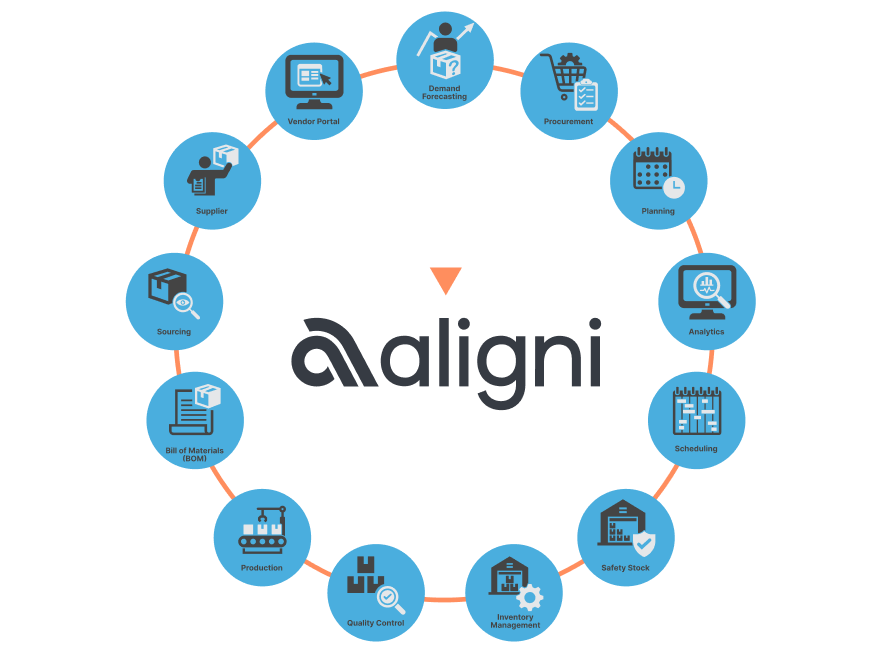

 Go to live demo
MRP Software Evaluation Guide for Small Manufacturers
Use this guide to evaluate MRP systems against the workflows that actually drive your operation.

What This Evaluation Guide Covers
Manufacturing teams evaluating MRP software should focus on operational fit, not feature lists. This guide walks through the workflows where system capability is most likely to determine success or failure.
- When the need for MRP typically becomes visible
- Inventory control and material visibility
- Procurement and demand alignment
- Production readiness and build coordination
- Engineering change control
- Material shortage visibility and reporting
- Operational reporting and day-to-day visibility
- Cost and long-term ownership
- Organizational impact and system scope
- How to choose between MRP and ERP
- What implementation looks like
- Questions to ask vendors before committing
- How to identify whether a system fits your operation
When Should You Evaluate MRP Software?
MRP evaluation typically begins when operational discipline becomes more important than operational flexibility.
- Inventory quantities are tracked across multiple spreadsheets or disconnected systems
- Procurement decisions are driven by urgency rather than forecasted demand
- Shortages are discovered during production rather than before builds are released
- Engineering revisions are difficult to trace across active assemblies
- Purchase orders lack clear visibility into expected material impact
- Production delays stem from material or revision confusion
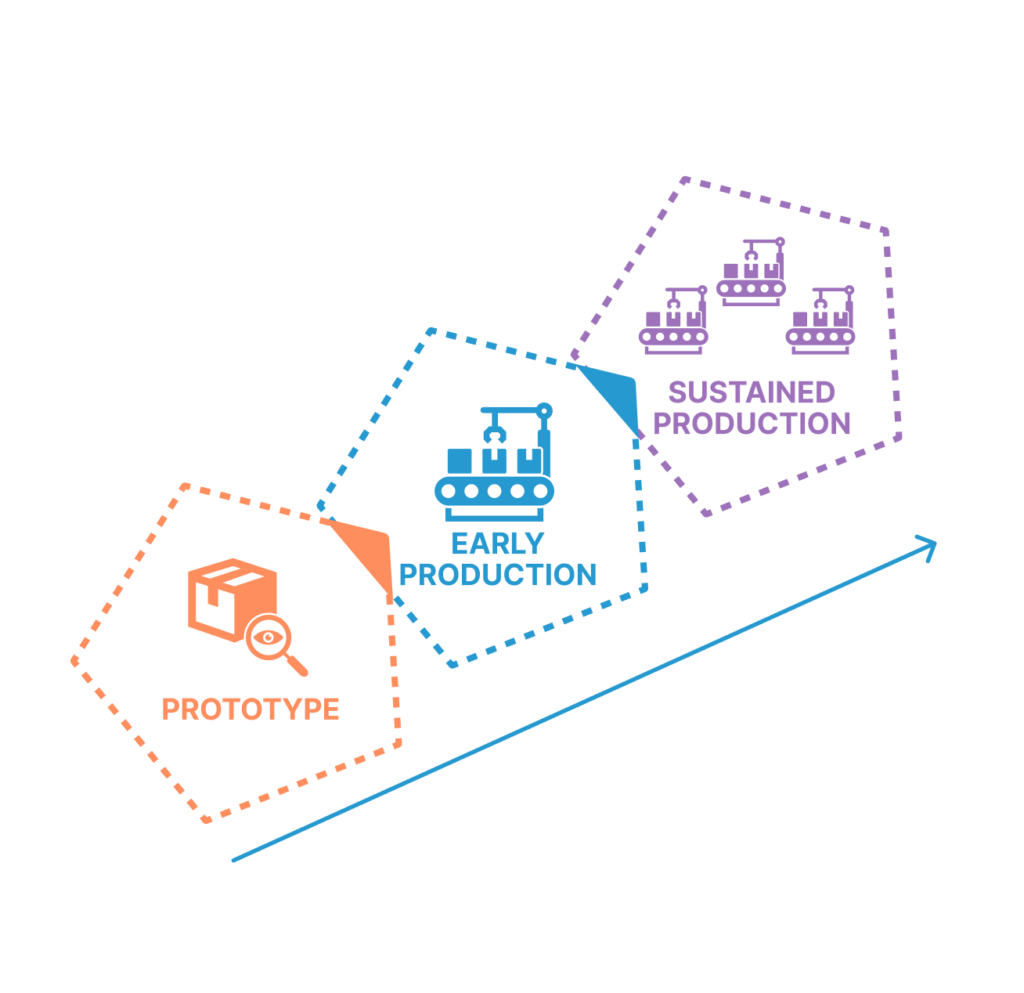
- The team is transitioning from prototype builds to repeatable production
How Does the Transition from Prototype to Production Expose System Limitations?
The gap between early-stage flexibility and repeatable production is where most manufacturing teams first feel the limits of spreadsheet-based coordination.
- Inventory tracking that worked at low volume breaks down when multiple builds compete for the same parts
- Purchasing decisions made by memory or urgency create shortages that aren’t visible until production has already started
- Engineering changes made in isolation don’t reach procurement or the floor in time to prevent waste
- Material availability can’t be confirmed before builds begin without a system that connects inventory, open orders, and active BOMs
- The coordination overhead that informal communication once handled becomes a daily operational risk
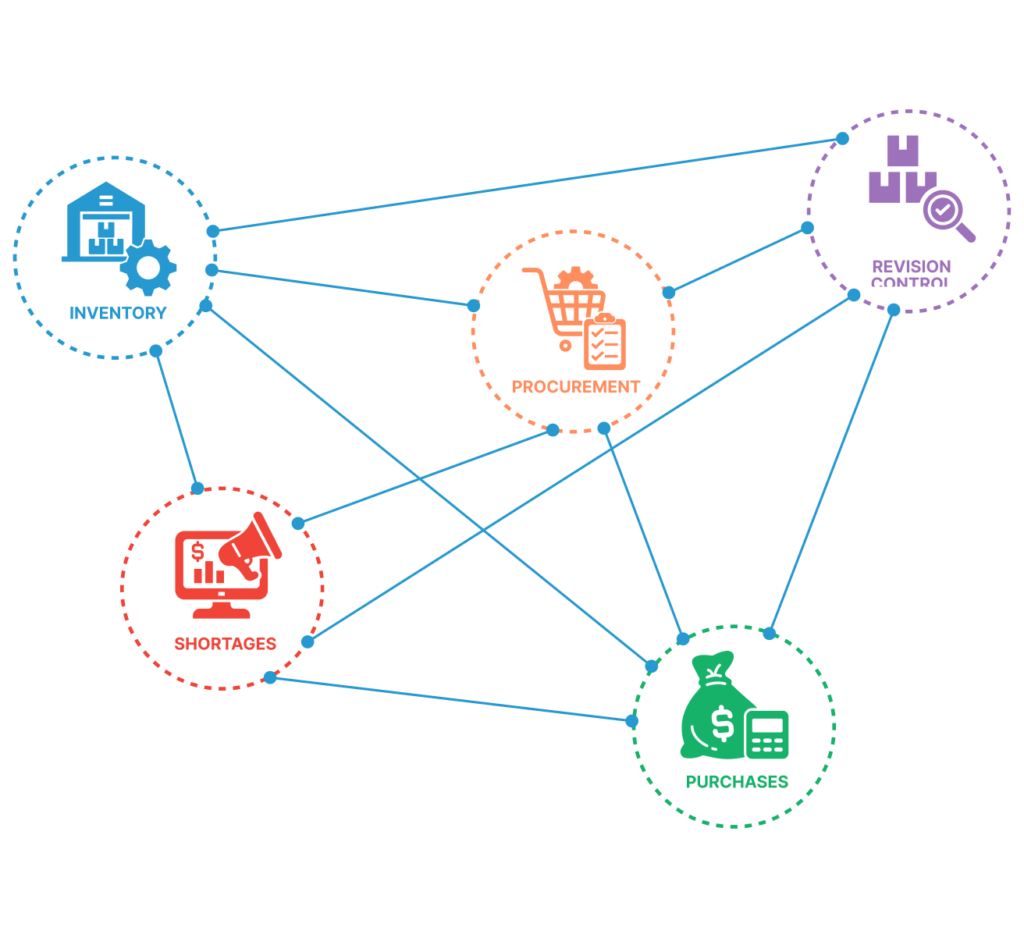
At this stage, the gap is rarely about accounting. It is about connecting materials, procurement, and revision control in one place.
What Should Manufacturers Look for in MRP Inventory Control?
Effective inventory control requires forward-looking visibility into what is available, what is committed, and what is likely to become constrained. A record of what has moved is not enough.
- Shortage reporting tied to active and planned builds, not just current stock levels
- Forward-looking inventory outlook connected to production schedules
- Obsolescence and lifecycle visibility across the item master
- Multi-location inventory tracking where operations require it
- Demand-linked material allocation across competing jobs
- Lot and serial traceability where compliance or quality requires it
For many growing manufacturers, inventory discipline is the first workflow to break down when spreadsheet-based tracking reaches its limit.
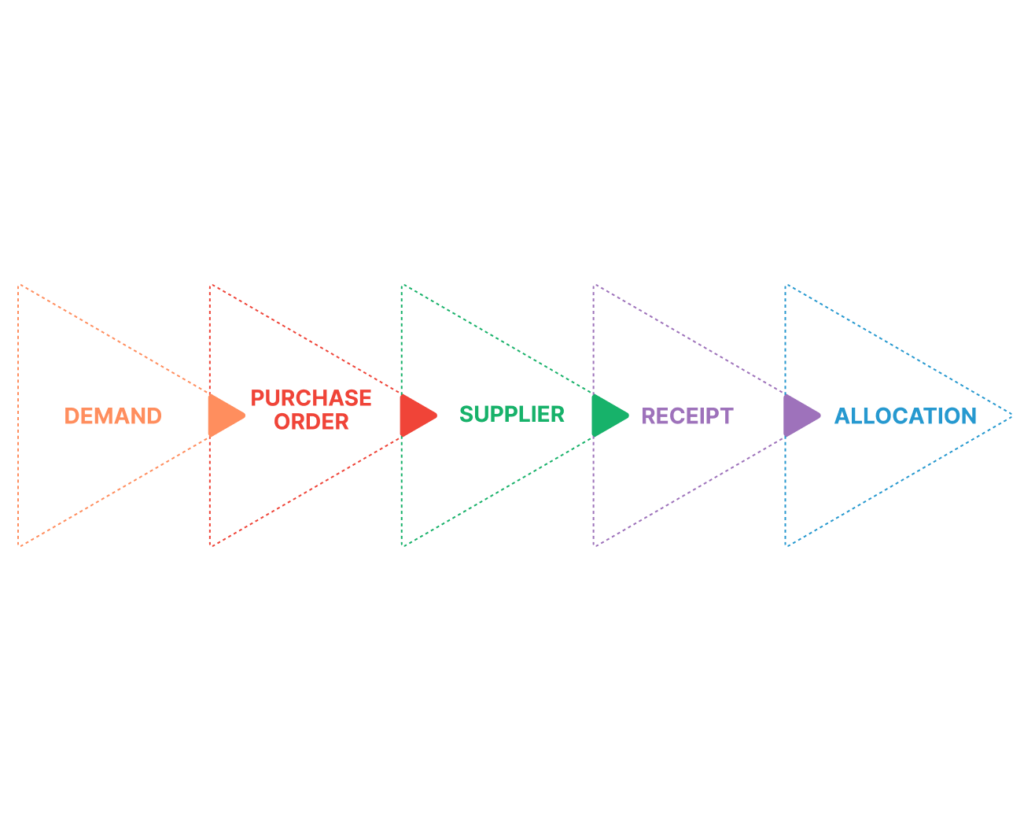
How Should an MRP System Handle Procurement and Purchasing?
Procurement in a manufacturing operation should be driven by forecasted demand, not discovered shortages.
- Purchase requirements generated directly from active and planned builds
- Lead time visibility across the supplier base so orders are placed before shortages occur
- RFQ generation and tracking managed within the system, not across email threads
- Vendor performance data accessible over time, including pricing history and delivery reliability
- Purchase order status connected to production schedules so delays are visible before they affect builds
- Alternate supplier options maintained in the system when primary sources are unavailable or delayed
- Material cost visibility tied to specific jobs and builds, not just aggregate spend
For teams moving off spreadsheets, procurement is often where the coordination gap is most immediately felt. Buyers should not need to reconstruct demand from memory or chase order status across disconnected tools.
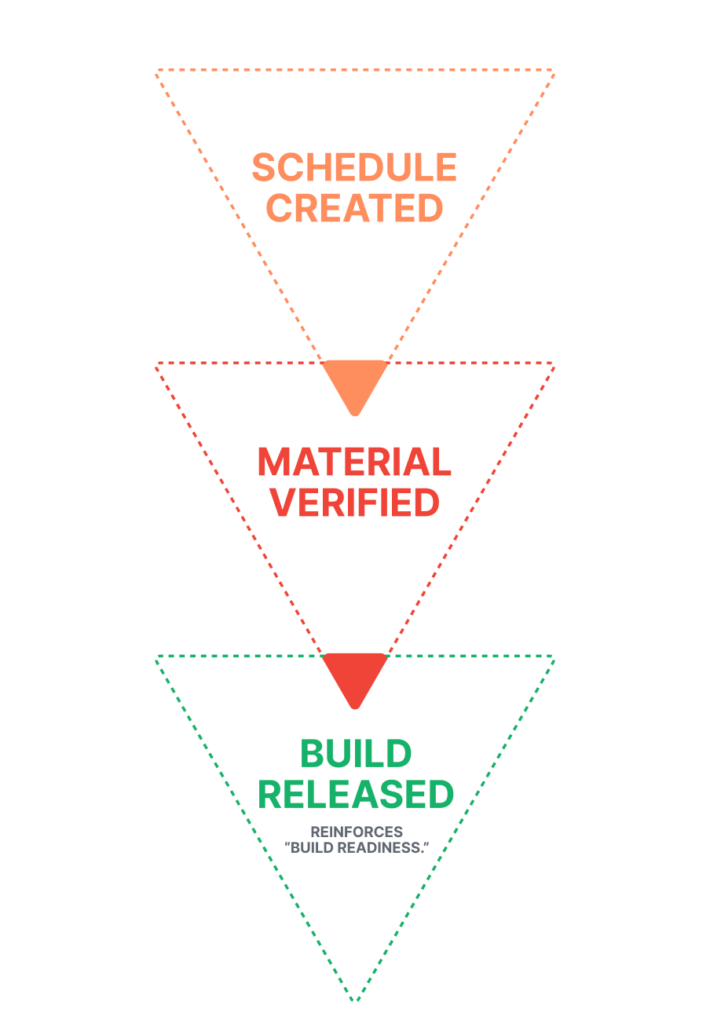
What Should an MRP System Do Before and During a Production Build?
A production build should not begin until the system has confirmed that materials are available, allocated, and not already committed to a competing job.
- Build readiness confirmation that checks inventory, open purchase orders, and active BOMs before work begins
- Material allocation across multiple concurrent jobs so the same part is not promised twice
- Work order creation and status tracking managed within the system, not on whiteboards or separate spreadsheets
- Production schedule visibility connected to inventory levels and procurement timelines
- Shortage alerts that appear before production starts, not after a build is already underway
- Visibility into which jobs are blocked and why, so supervisors can prioritize without guesswork
- Traceability of materials used in each build where quality or compliance requires it
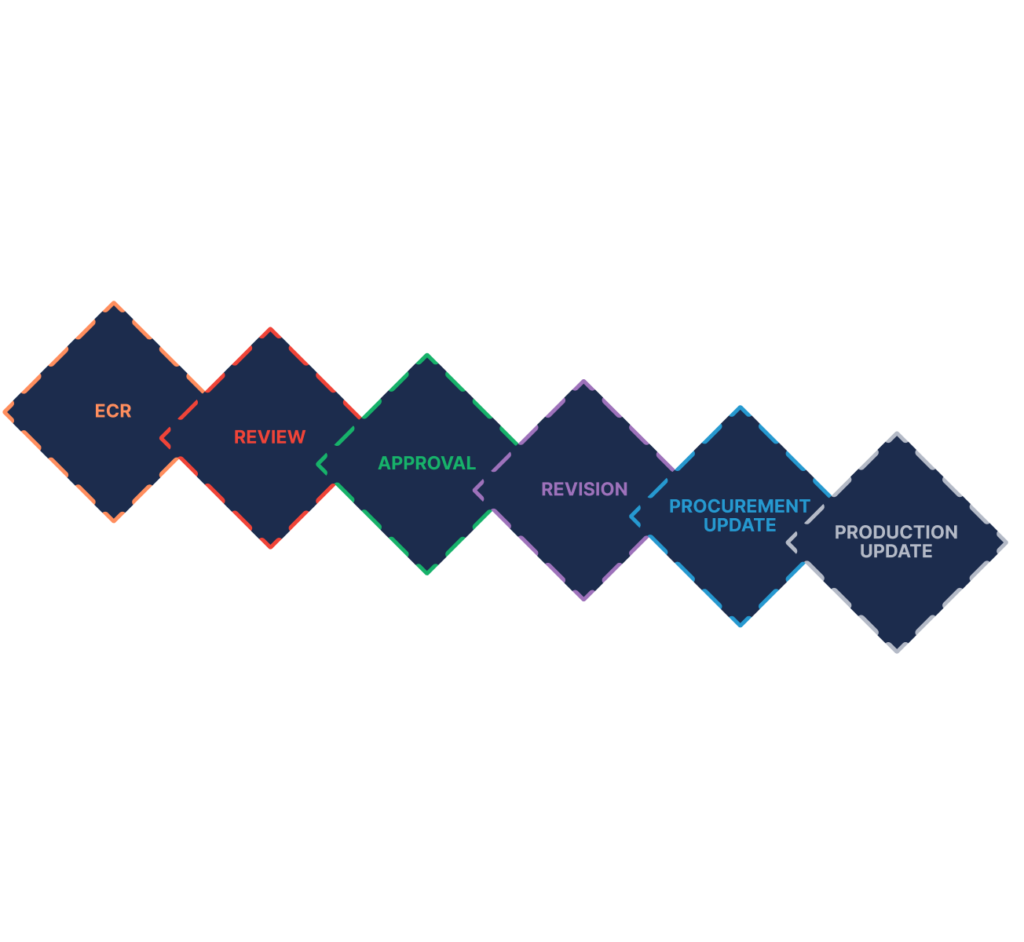
How Should an MRP System Manage Engineering Changes Across Production?
A system that manages engineering changes within the same environment as inventory and procurement removes the risk of building to an obsolete revision.
- Revision control tied to active BOMs so changes are reflected immediately across affected assemblies
- Where-used visibility that shows every assembly and active build affected before a change is approved
- Engineering change order workflow with structured approval routing, not email sign-off chains
- Automatic propagation of approved changes to affected purchase orders and production builds
- Audit trail of revision history across the item master so the current approved version is never in question
- Notifications to procurement and production when a revision affects parts already on order or allocated to a build
For small engineering teams, the risk is not that changes are made carelessly. It is that approved changes do not reach the right people before material is ordered or work begins.
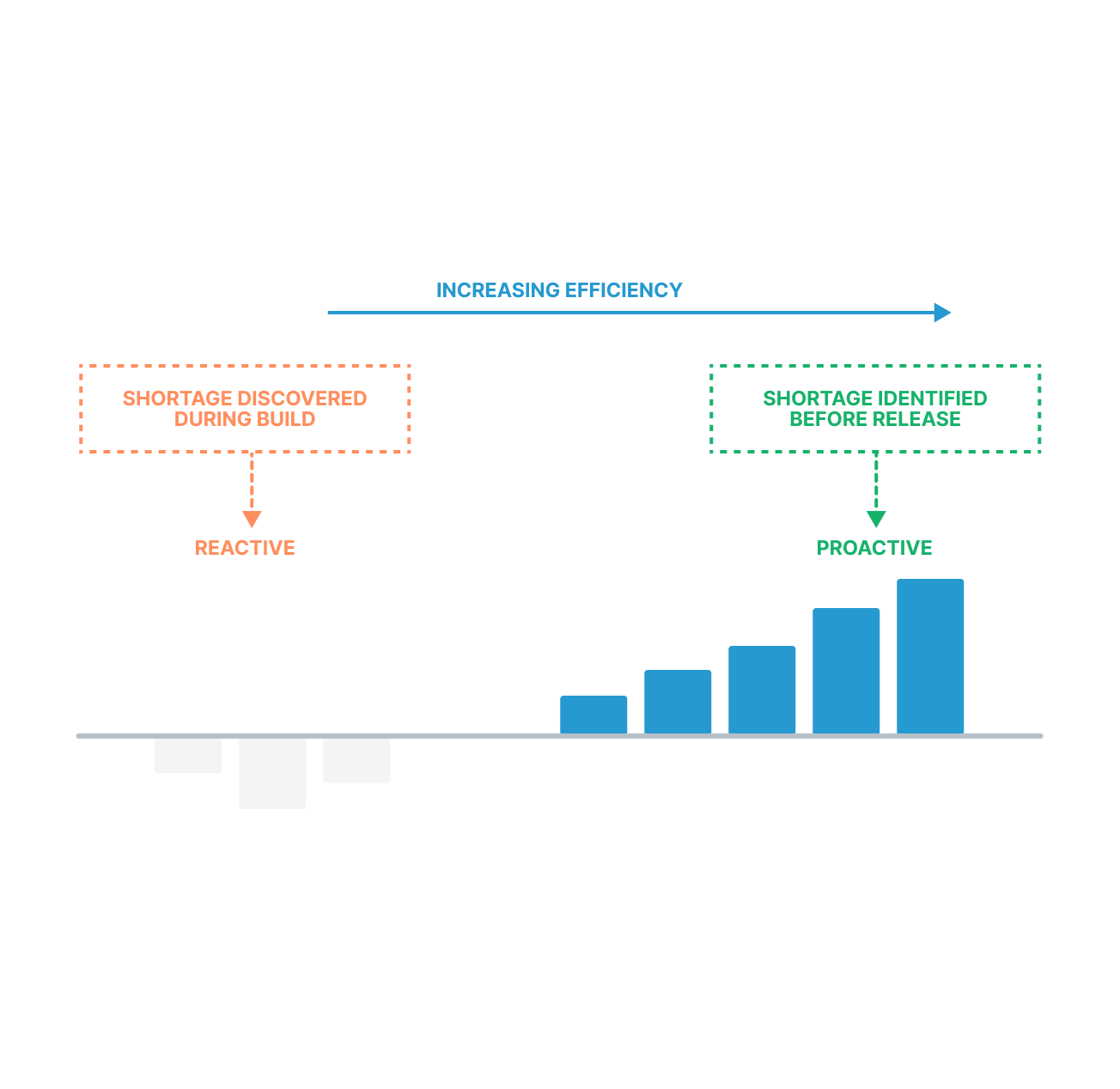
How Does an MRP System Flag Material Shortages Before Production Begins?
Material shortages that are discovered after a build has started are significantly more expensive than shortages identified before work begins.
- Shortage visibility should be tied to active and planned builds, not just current stock levels
- The system should identify which parts are short, which builds are affected, and how much time remains before the shortage impacts production
- Shortages driven by demand across multiple concurrent jobs should be visible in a single consolidated view, not scattered across individual work orders
- Open purchase orders should be factored into shortage calculations so parts already on order are not flagged as missing
- Parts with long lead times should be flagged earlier than parts available from stock so buyers can prioritize purchasing decisions
- Shortage status should update as inventory is received, purchase orders are confirmed, and builds are scheduled or rescheduled
- The report should be actionable, meaning a buyer should be able to move from shortage identification to purchase request without leaving the system
Aligni’s Material Shortage Report is designed around this workflow. It connects inventory, open purchase orders, and active builds into a single view that shows what is short, what is at risk, and what needs to be ordered before production is affected.
What Does an MRP System Actually Cost to Own and Operate?
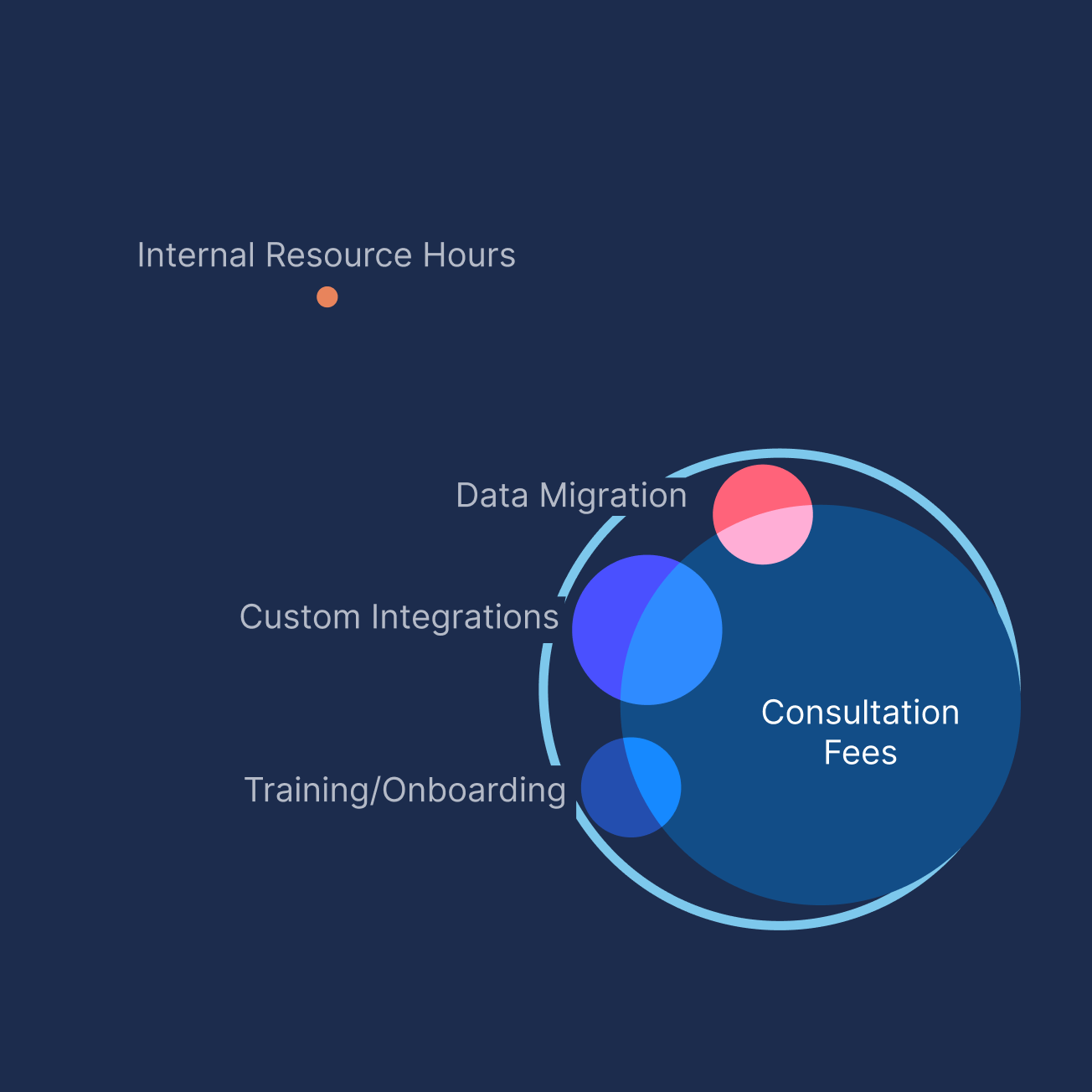
The total cost of an MRP system includes more than the monthly subscription. Implementation time, internal administration, and the cost of scaling all affect the real price of ownership.
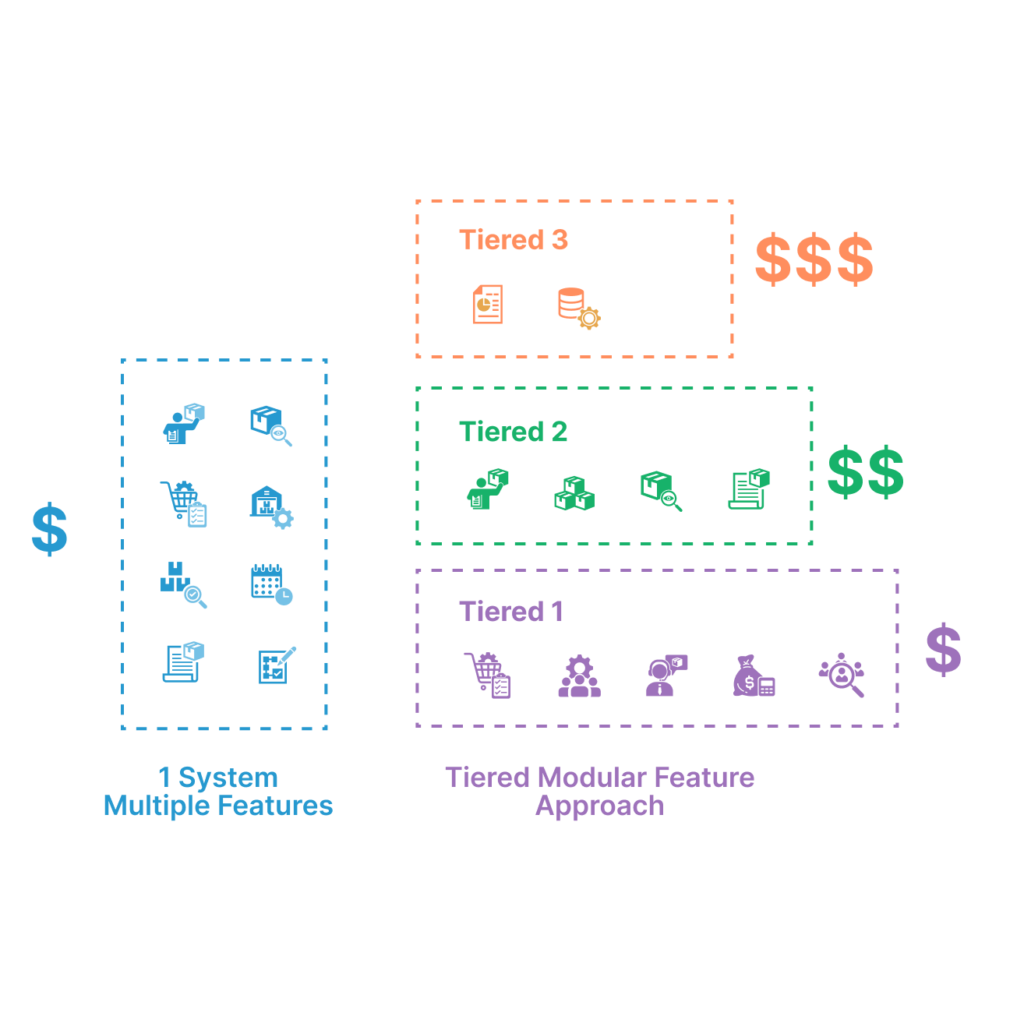
- Subscription pricing should reflect how a small manufacturing team actually operates, not be structured around user counts or module add-ons that inflate cost as the team grows
- Implementation should not require outside consultants or months of internal configuration before the system is usable
- Ongoing administration should be manageable by the team running the operation, without dedicated IT resources
- Cost should be predictable as volume, locations, or build complexity increases
- Integration with existing accounting systems should not require custom development or paid connectors
- The cost of NOT having a system, including stock-outs, emergency purchasing, and manual reconciliation, is often higher than the subscription fee
For small manufacturers comparing MRP to ERP, the difference in total ownership cost is significant. ERP implementations routinely require dedicated IT staff, outside consultants, and months of configuration before a team sees any operational value.
How Does an MRP System Support Day-to-Day Operational Visibility?
Operational reporting in an MRP system should give every role on the team a clear picture of what is happening, what is at risk, and what needs attention today.
- Inventory status should be visible in real time, including what is on hand, what is allocated to active builds, and what is on order
- Production schedules should be accessible to both the shop floor and management without requiring manual status updates or separate reporting tools
- Procurement status should show open purchase orders, expected delivery dates, and any orders at risk of affecting production timelines
- Engineering change status should be visible across the organization so procurement and production are never working from an outdated revision
- Shortage and at-risk material should be consolidated in one view rather than requiring buyers and planners to check multiple systems
- Reports should reflect current data without requiring manual exports, spreadsheet reconciliation, or end-of-day batch updates
For small manufacturing teams, the value of operational reporting is not in the volume of data available. It is in whether the right person can find the right information quickly enough to act on it before it becomes a problem.

How Does the Scope of an MRP System Affect Your Organization?
A system that focuses on materials, production, and procurement can be adopted by a small team without reorganizing how the rest of the business operates.
- A focused MRP system touches inventory, purchasing, and production without requiring changes to finance, HR, or customer-facing systems
- Implementation can happen in stages, starting with the workflows that create the most operational risk
- Teams do not need dedicated IT staff or a long configuration period before the system is usable
- Departments outside of operations, including accounting and sales, continue using existing tools without disruption
- The organizational footprint of an MRP system is smaller than ERP by design, which is an advantage for teams under 50 people
- Adding functionality over time is more practical than implementing everything at once and managing the disruption across the organization
For small manufacturers, the question is not whether a system is capable. It is whether the organization can absorb it without the implementation becoming its own operational problem.

How Do You Know Whether MRP or ERP Is the Right Fit for Your Operation?
The right system scope is not determined by feature lists. It is determined by the level of change your organization can absorb without the implementation becoming its own operational problem.
- A focused MRP system covers materials, inventory, procurement, and production without requiring changes to finance, HR, or customer-facing systems
- An ERP platform consolidates more functions into one system but typically requires dedicated IT resources, outside consultants, and a longer implementation period before delivering operational value
- For teams under 50 people, the organizational overhead of a full ERP implementation often outweighs the benefit of consolidation
- MRP integrates with existing accounting tools rather than replacing them, which reduces disruption and preserves workflows that are already functioning well
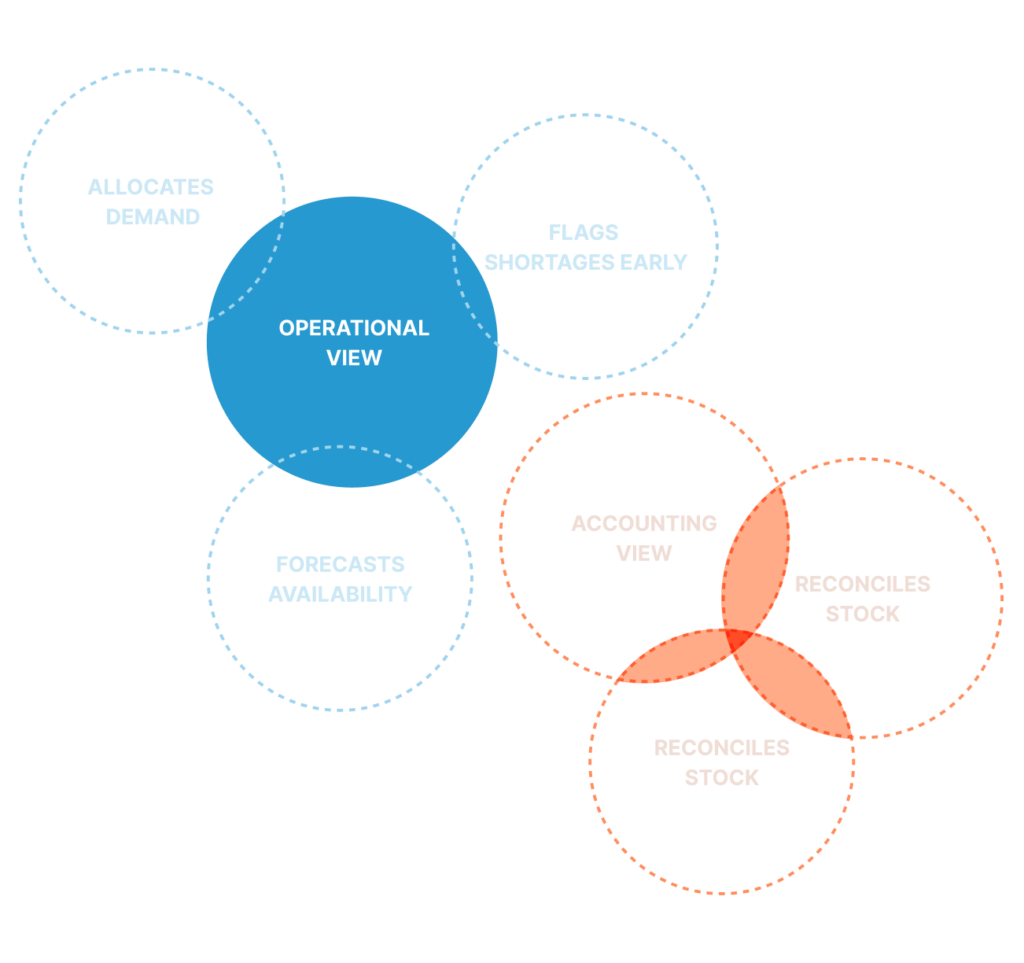
- Data responsibilities between MRP and accounting systems should be clearly separated so neither system is duplicating or contradicting the other
- The practical question is not which system is more capable. It is which system the team can implement, learn, and operate without pulling people off the work that keeps production running
For many small manufacturers, MRP is not a stepping stone to ERP. It is the right long-term system for the scale and complexity of the operation.
What Does It Take to Implement an MRP System?
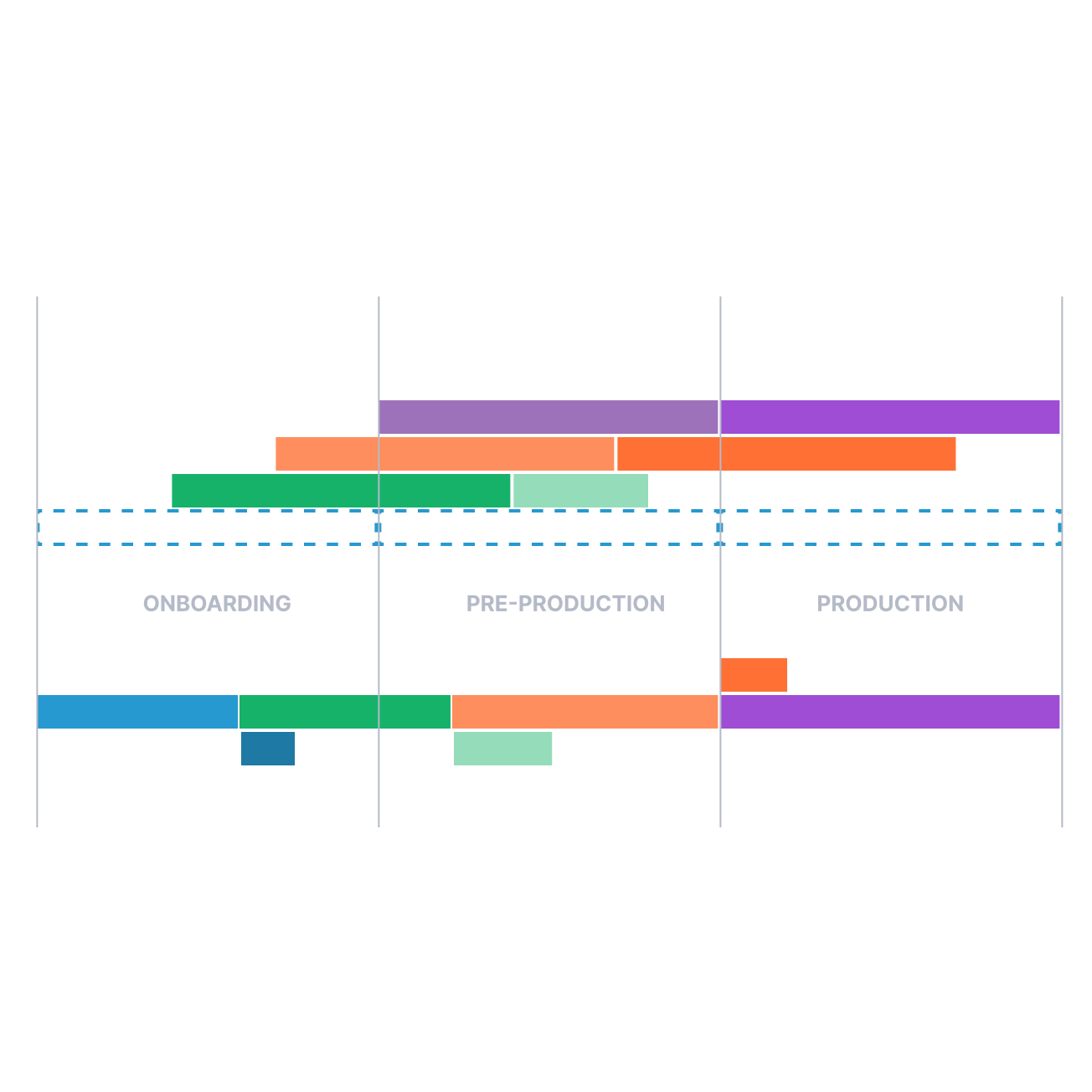
Implementation is not just a timeline. It is a level of disruption, and understanding that disruption in advance is part of responsible evaluation.
- Data migration from spreadsheets or legacy systems should be straightforward, with clear guidance on how to move part data, BOMs, and inventory records into the new system
- BOM import and revision control should be manageable during the transition so active builds are not disrupted while the system is being set up
- Training requirements should be realistic for a small team, meaning the system should be usable by procurement, production, and engineering staff without dedicated IT support or extended onboarding
- The system should be introducible gradually within live operations rather than requiring a full cutover before any value is delivered
- Deployment timeline from account setup to stable production visibility should be measured in weeks, not months
- Ongoing system ownership should be manageable by the team running the operation, without reliance on outside consultants or vendor support for routine tasks
- Growth from a small team to higher production volumes should not require a platform change or significant reconfiguration
The practical question to ask any vendor is not whether the system is capable of handling your operation. It is how long it takes before the system is actually helping it.
What Questions Should You Ask an MRP Vendor Before Committing?
Specific operational questions separate vendors who understand manufacturing workflows from those who are selling features.
- How does the system manage Bill of Materials revisions across active builds?
- What happens when a component becomes obsolete or unavailable mid-build?
- How does the system identify material shortages before production begins?
- How does purchasing align with forecasted demand rather than discovered shortages?
- What does implementation look like for a team of 10 to 50 people with active production?
- How is inventory allocated when the same part is needed across multiple competing jobs?
- What integrations are supported with existing accounting systems?
- What internal resources are typically required to maintain the system long term?
- How are engineering changes approved and communicated to procurement and production?
- How quickly can a team reach stable production visibility after onboarding?
Who Is Aligni Typically a Good Fit For?
Certain operational patterns appear consistently among teams that adopt Aligni and get value from it quickly.
Aligni works best for manufacturing teams that:
- Are moving from prototype builds into repeatable production and need more structure than spreadsheets provide
- Need inventory, procurement, and production connected in one system rather than managed across disconnected tools
- Want to keep existing accounting systems in place rather than replacing them with a broader platform
- Need operational visibility across materials and builds without the overhead of a full enterprise implementation
- Are managing active production with a team of 5 to 50 people and cannot afford months of implementation before seeing results
Aligni is generally not the right fit for teams that need HR, payroll, customer relationship management, or financial consolidation built into the same platform. Those requirements point toward a broader ERP solution.
Exploring Aligni in a trial environment is the most direct way to determine whether the system fits how your operation actually runs.
Case Studies
How Are Other Small Manufacturers Using Aligni?
These teams were managing production across spreadsheets and disconnected tools before moving to Aligni.

tadoº
WMD

Applied Information
SolVIS Automation

Backcountry Access
Ready to See How Aligni Fits Your Operation?
The most direct way to evaluate whether a system works for your team is to use it with your own data.
Start a 30-day free trial with free onboarding included. Import your parts, load your BOMs, and run your first Material Shortage Report to see what the system finds. No IT support required, no complex setup, and no obligation to continue if the fit is not right.