

 Go to live demo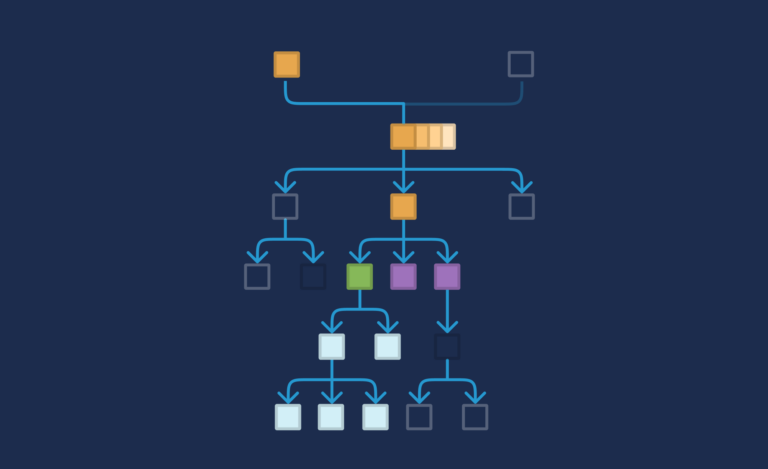
Engineering documentation rarely lives in one place.
As products evolve, documentation becomes distributed across assemblies, subassemblies, and shared components. A system-level assembly may include integration notes or regulatory documentation, while lower-level components contain fabrication drawings, inspection procedures, or firmware instructions.
Finding and assembling the right documentation across this structure isn’t always straightforward—especially for teams working outside of engineering.
Hierarchical Vaults in Aligni are designed to solve this problem, making it easier to access and gather documentation across multi-level BOMs without navigating the entire product structure.
The Challenge of Documentation Across BOM Structures
The challenge becomes more pronounced as product structures grow. A single component may appear across multiple assemblies, and subassemblies are often reused across different configurations. Documentation exists at each level, but accessing it requires navigating multiple records and understanding how those assemblies relate.
For engineering teams, this structure is familiar. For procurement teams, it often is not. A buyer preparing a purchase request may need documentation from across multiple levels of a BOM without knowing exactly where those files live. This creates friction between teams and increases the risk of incomplete or incorrect documentation being sent to vendors.
A Hierarchical Approach to Vault Selection
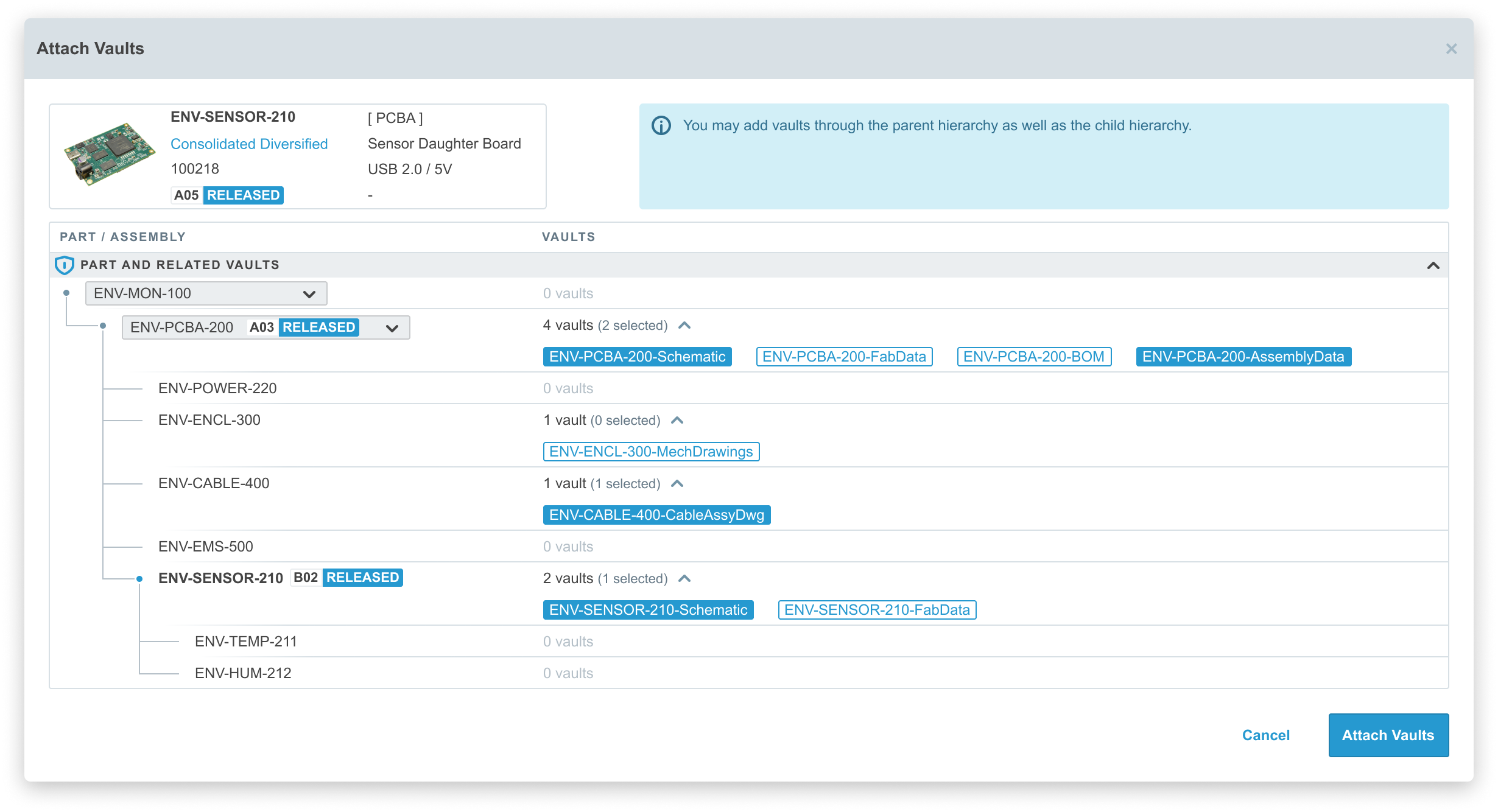
To address this, Aligni introduces a hierarchical vault selection interface. Vaults are presented within the context of the assembly structure, allowing users to see the current item along with its ancestors, siblings, and immediate children that contain documentation.
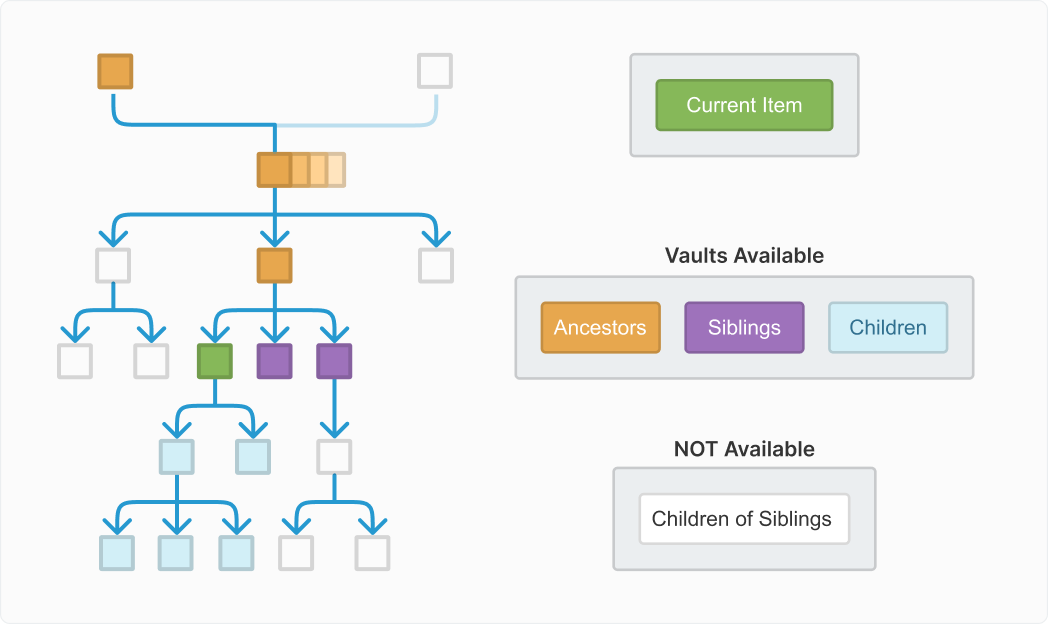
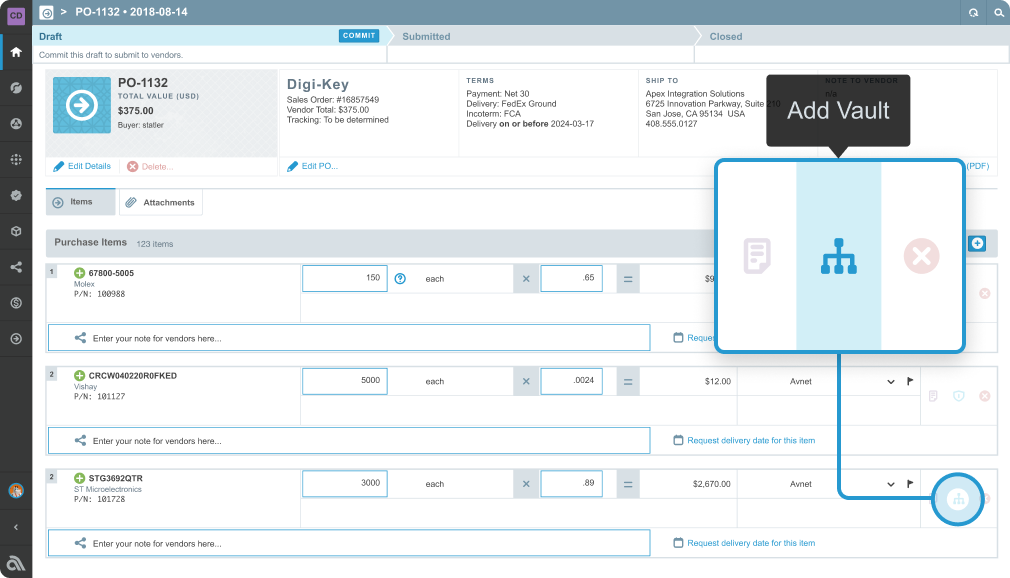
Rather than navigating across multiple records, users can select vaults directly from within this hierarchy and attach them to workflows like RFQs and purchase orders. This allows documentation to be gathered across the product structure in a single place.
Working Within a Clear Context
Assemblies often exist in multiple configurations, which can make their ancestry unclear. The vault selection interface allows users to choose the relevant lineage when multiple parent structures exist. Once selected, the system operates within that context, ensuring documentation is pulled from the correct portion of the hierarchy.
Selection is limited to the active revision and its immediate relationships, reducing ambiguity and keeping the process predictable.
Supporting Procurement Without Requiring Engineering Knowledge
One of the primary benefits of this approach is improved collaboration between engineering and procurement. Engineering teams define the structure and maintain documentation at each level, while procurement teams need access to that documentation when working with vendors.
With hierarchical vault selection, buyers can see and select relevant documentation across the assembly structure without needing to understand the full product architecture. This helps ensure vendors receive the correct files while reducing back-and-forth between teams.
For technical documentation, visit our documentation→
Customer Collaboration
This feature was developed in close collaboration with the engineering team at Ginkgo Bioworks. Their systems are built from configurable combinations of enclosures, integration kits, and accessories, resulting in a large number of unique product configurations that share common components.
As their product catalog expands, documentation must be accessible across multiple levels of these assemblies when working with manufacturing partners. Their input helped shape a solution that allows documentation to be gathered across complex assembly trees while maintaining clear control over what gets included.

Looking Ahead
Hierarchical vault management is a step toward better coordination between engineering, procurement, and manufacturing workflows. As products become more configurable and assembly structures grow more complex, maintaining clear access to documentation across the BOM becomes increasingly important.