

 Go to live demo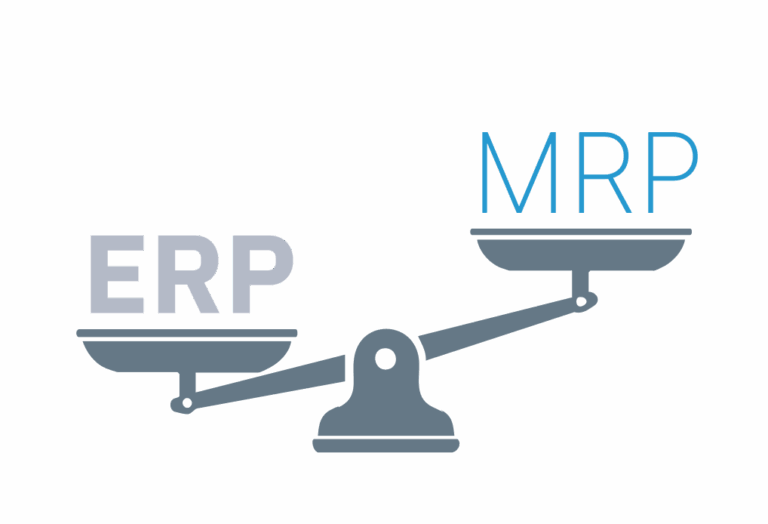
It can be difficult to identify precisely when to move beyond spreadsheets and adopt more advanced software to manage production and inventory. Many small and mid-sized electronics manufacturers get by with manual tracking and piecemeal tools for years, unsure of when—or if—they’ve reached the point where a manufacturing management system is truly necessary. Unfortunately, this point is typically when processes start failing, causing companies to make hasty decisions on scarce information.
What makes the choice even harder is the lack of clear guidance on which systems are built for businesses their size. Often seen as the next step, ERP systems are complex, enterprise-level platforms that come with steep learning curves, high implementation costs, and features that may far exceed the needs or the capacity of a growing Small and Medium-sized Business (SMB). As a result, management is left wondering whether the value they’d get from such a system would actually justify the investment.
ERP 101: Built for Big Business, Not Always a Fit for Small Manufacturers
Enterprise Resource Planning (ERP) systems are comprehensive software platforms designed to help organizations manage and integrate core aspects of their operations, including finance, inventory, production, purchasing, human resources, and more, within a single system. ERPs aim to centralize data and processes, so teams across a company can access the same real-time information and coordinate efforts more efficiently. For example, when a sales order is entered, the ERP can automatically check inventory levels, schedule production, generate purchase orders for missing components, and update financial forecasts—all without manual input between departments.
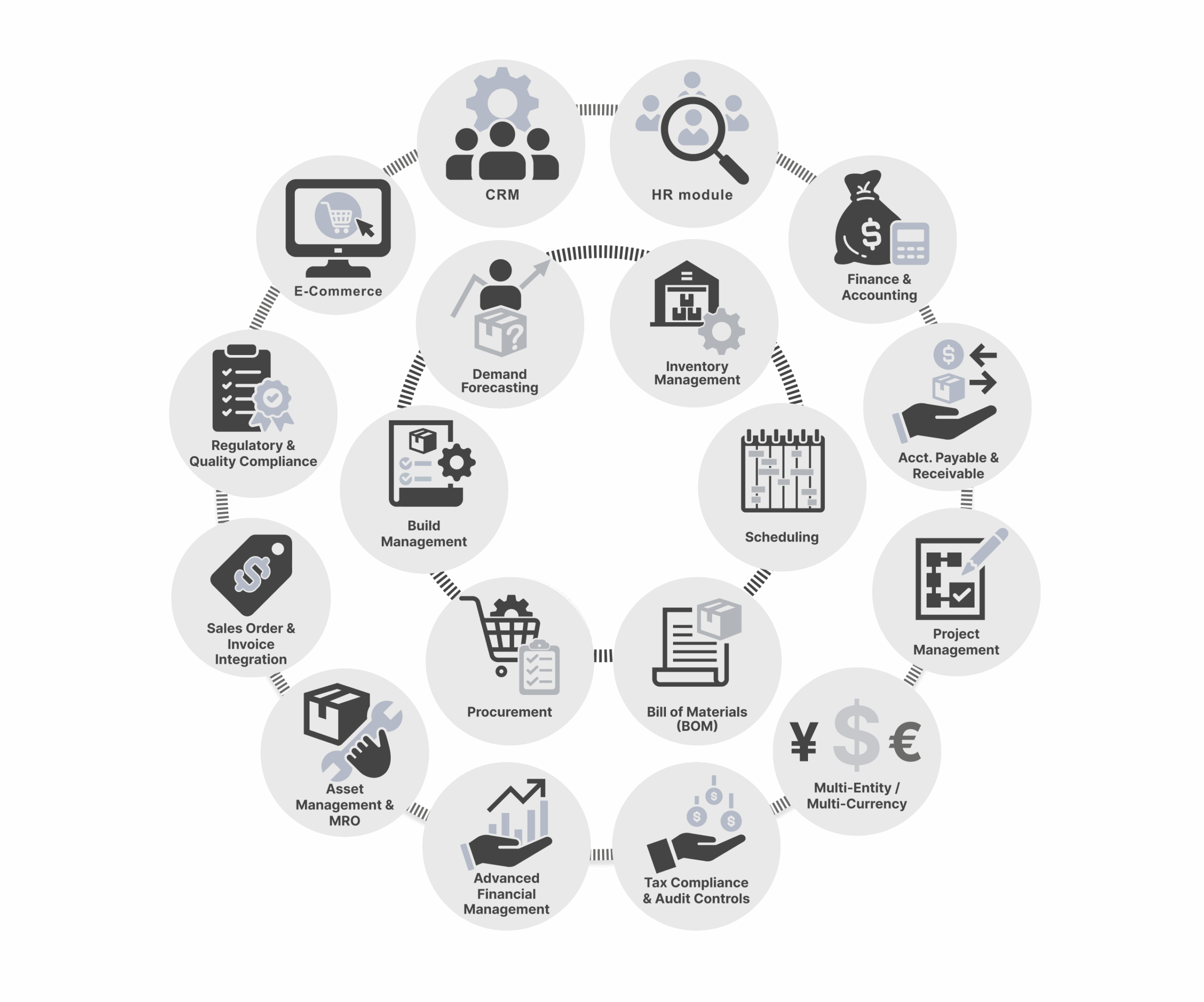
While ERP systems offer powerful capabilities, they were originally designed for large enterprises with complex operations and multiple departments that need tight coordination across diverse functions. These companies typically have large IT teams, dedicated implementation budgets, and the resources to train employees across the organization. The systems themselves are often highly configurable, but that also makes them more complicated to implement and maintain. For smaller businesses this level of complexity can be overwhelming, particularly if the company is currently managing operations with spreadsheets and basic tools.
Understanding what an ERP does and who it’s built for is a critical first step in determining whether it’s the right fit, or whether a more focused manufacturing management system might better serve their current needs.
Growing Pains or Overkill? How to Know If ERP Fits Your Organization’s Size, Products, and Sales Model
Determining whether an ERP system is the right choice for a small or mid-sized electronics manufacturer isn’t just about software features—it’s about business fit. ERP systems are designed to handle complexity, and not every SMB has reached the point where that level of infrastructure makes sense. Key factors like company size, product line complexity, and the nature of the sales process all influence whether the benefits of an ERP will outweigh the costs and challenges of implementation. By looking closely at specific markers, such as headcount, revenue, number of product SKUs, or the length and customization of the sales cycle, manufacturers can better assess whether they’ve reached the scale and complexity that justifies the shift from spreadsheets to enterprise-level systems.
Company Scale
Company size is a critical factor in determining whether an ERP system is the right fit. ERP platforms are designed to support the complex needs of larger organizations with multiple departments, layered processes, and high volumes of transactions. These systems often require significant time, money, and personnel to implement, maintain, and use effectively—resources that many small and mid-sized businesses simply don’t have. For smaller manufacturers, the broad scope of ERP can lead to unnecessary complexity, forcing them to adapt their operations to fit the software rather than the other way around. Without the scale to benefit from the full range of ERP features, SMBs may end up paying for functionality they don’t need while losing agility in their day-to-day operations. Here’s three quick metrics to help determine if ERP is a match for your business:
- ERP is built for organizations with over 100 employees
- Has more than one location, either geographically, or functionally distinct.
- Typically has as a yearly revenue figure above $50 million

Product Line Complexity
This plays a major role in determining whether an ERP system is a good fit for an SMB because the more varied and intricate a company’s products are, especially in electronics manufacturing, the more challenging it becomes to manage production, inventory, and procurement. Complex product lines often involve managing multi-level Bills of Materials (BOMs), tight component tolerances and specifications, frequent engineering changes, and a high degree of supplier coordination. In these cases, an ERP’s ability to integrate and automate processes across departments can offer real value. However, if an SMB produces a limited range of standard products with relatively simple workflows, the depth and breadth of an ERP system may be overkill, introducing unnecessary complexity without providing meaningful benefits.
- ERPs make sense when a business has a hundred or more distinct product SKUs to manage
- Their products have a very high level of complexity including high part counts, the management of sub-assemblies, merging sub-contracting and in-house production and tight quality requirements
- Has a high degree of supply chain variability to manage where a business can expect several part and vendor substitutions over the course of a production run and to a high percentage of the BOM’s makeup.
Sales complexity:
A complex sales process or a large and diverse customer base can make an ERP system more valuable for an SMB as it increases the need for centralized data, coordinated workflows, and visibility across departments. When managing multiple sales channels, custom order configurations, or varying customer terms, manual tracking becomes error-prone and inefficient. An ERP can streamline quoting, order management, pricing, and customer communication while ensuring that sales, production, and inventory stay in sync with its built-in CRM capabilities. For SMBs with growing customer complexity, this integration can reduce lead times, improve accuracy, and support better customer service. However, if sales processes are straightforward and customer volume is manageable, a full ERP may be more than is necessary, and lighter-weight tools may suffice. A good candidate for ERP may include these metrics:
- A Company that has a large customer base that requires a sales force of more than five salespeople to service is ready for ERP
- The sales process is long (generally longer than a few weeks) with a high degree of customization and product or process certification to manage
- The company maintains a robust, long-term after-sale service component and warehouses legacy components for customers.
If your business doesn’t yet meet these thresholds of size, product complexity, or sales sophistication, that doesn’t mean you’re stuck with spreadsheets. A Material Resource Planning (MRP) system offers a focused, purpose-built alternative. These systems deliver essential capabilities like inventory control, production planning, and purchasing coordination without the overhead of a full ERP. For growing manufacturers, MRP systems provide the structure and visibility needed to scale efficiently, while preserving flexibility and controlling costs.
MRP vs. ERP: A Scalable Solution for Growing Electronics Manufacturers
For small and mid-sized electronics manufacturers, adopting a full ERP system can feel like using a sledgehammer to drive a finish nail: expensive, complex, and more than what’s needed. ERP platforms are built for enterprise-scale teams and processes—not growing SMBs. But if your business isn’t operating at that level, you risk paying for capabilities you won’t use while burdening your team with unnecessary complexity.
As mentioned above, a better alternative for many growing manufacturers is a material resource planning system. These systems focus on the tactical, day-to-day management of production and inventory, giving you the tools to plan jobs, manage BOMs, coordinate purchasing, and track inventory levels with precision. MRP offers the structure and visibility manufacturers need to run efficiently without the added overhead of enterprise-level features like HR modules or financial consolidation tools. And unlike most ERP systems, MRP platforms are priced in a way that aligns with SMB budgets, allowing you to gain critical operational control without making a major financial leap.
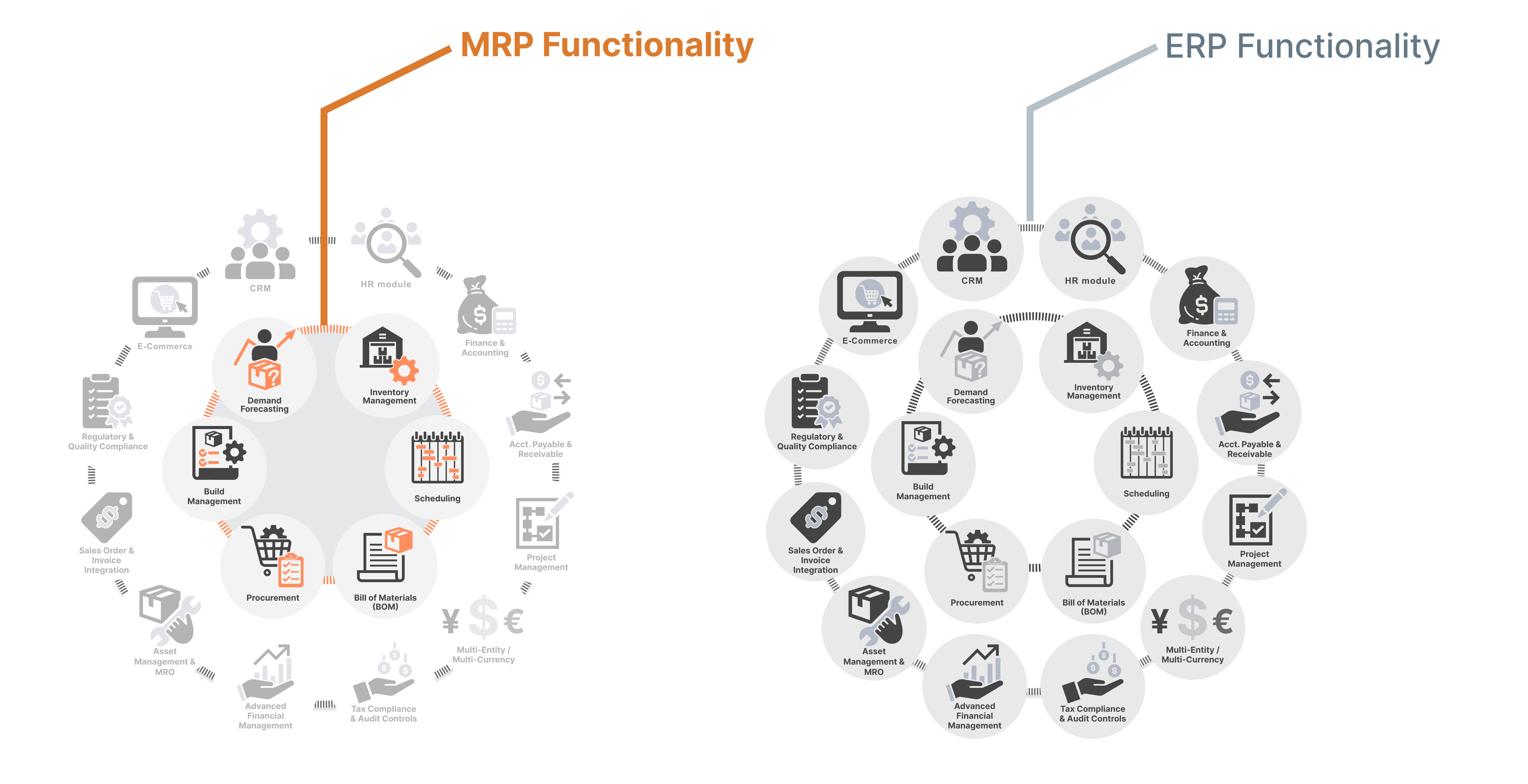
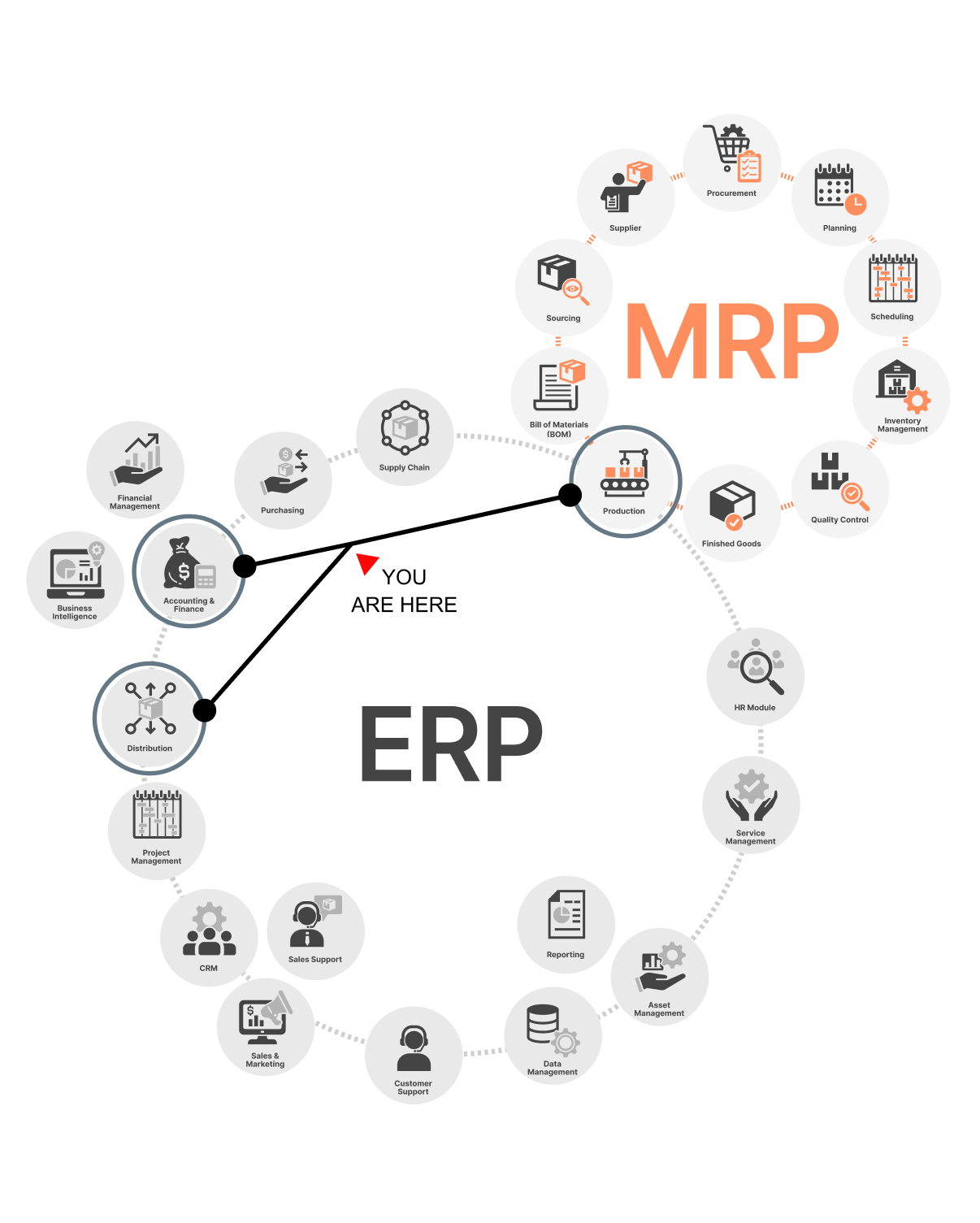
Best of all, adopting MRP doesn’t close the door on ERP. In fact, it helps prepare you for it. Many MRP systems can integrate with ERP platforms when your company reaches the scale where broader coordination is necessary. By establishing clean data, disciplined processes, and production visibility early with MRP, you’ll reduce the time, risk, and disruption when it’s time to move up to a full ERP, ensuring a smoother transition and a stronger foundation.
Build a Stronger Foundation Before You Leap to ERP
ERP systems are built for very large organizations with the resources and complexity to match—most SMBs simply aren’t there yet. MRP, on the other hand, delivers the essential production and inventory management tools growing electronics manufacturers need to operate efficiently and scale with confidence. If you’re ready to move beyond spreadsheets and bring control to your manufacturing operations without the overhead of enterprise software, check out Aligni MRP. It’s purpose-built for SMBs like yours and ready to help you take the next step.